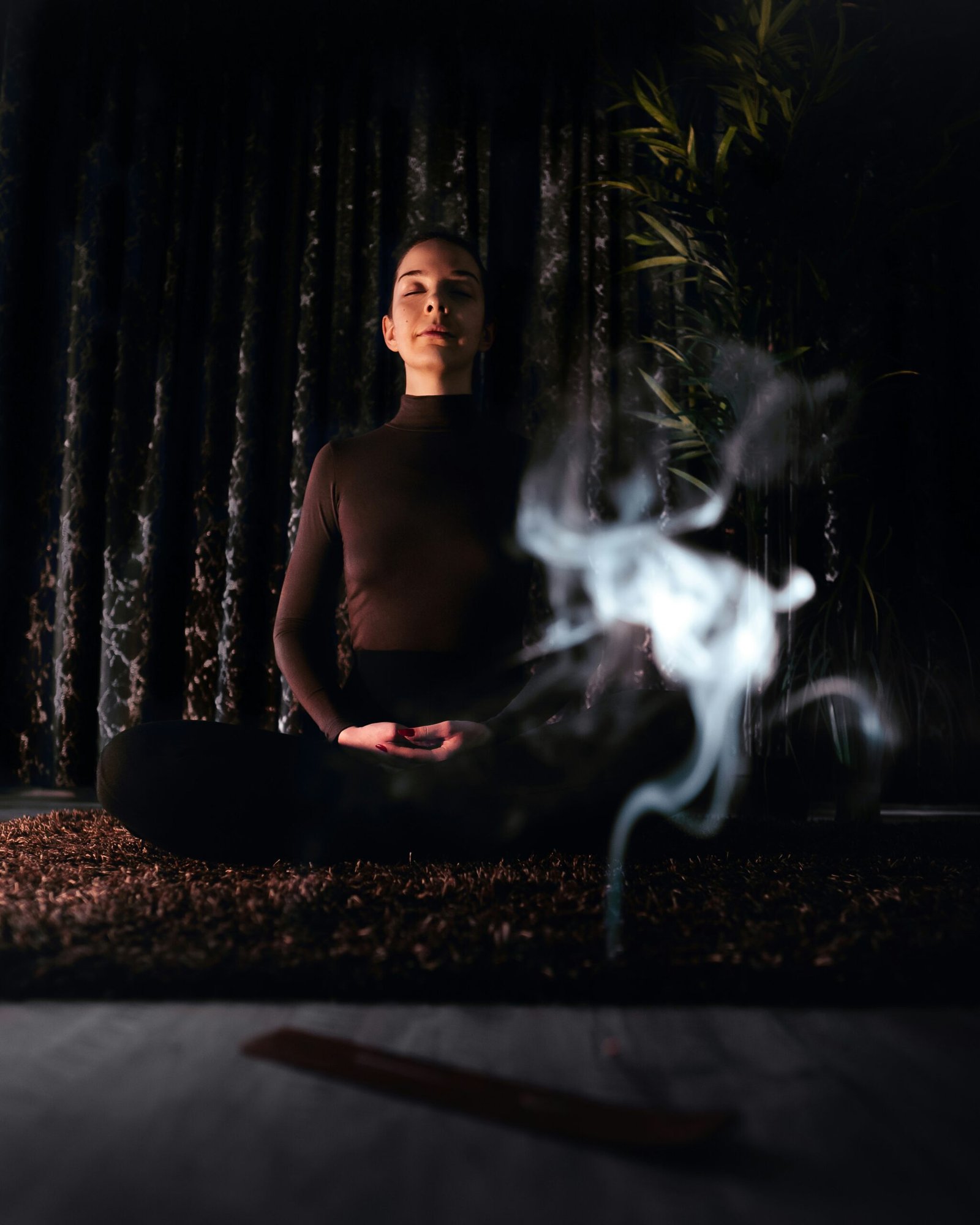
One of humanity’s most ancient meditation techniques — rediscovered by Gotama the Buddha over 2,500 years ago, preserved in its original purity, and now freely available to all.
No fees. No religion. No belief required. Only your sincere effort.
See Things As They Really Are
Vipassana — meaning ‘insight’ in Pali — is the observation of your own mind and body at the deepest level. It is not a rite, a ritual, or a philosophy. It is a practical tool: a method of self-purification through self-observation.
Sila — Moral conduct Five simple precepts that calm the mind and create a peaceful environment for practice.
Samadhi — Concentration Training the attention on the natural breath until the mind becomes sharp and still.
Panna — Wisdom Direct observation of the constantly changing nature of physical sensations, dissolving deep-rooted patterns of craving and aversion.
Courses That Can Change a Life
Vipassana is offered through a range of residential courses — from the classic 10-day introduction to shorter courses for children and returning students. All courses are offered free of charge, supported entirely by the generosity of past students.
Reduced Anxiety A calmer relationship with thoughts and feelings, even under pressure.
Emotional Balance Less reactive to pleasant and unpleasant events. Greater equanimity in daily life.
Clarity of Mind Sharper focus, more deliberate decisions, and a growing sense of inner stillness.
Connect with Vipassana
Every Vipassana course — food, accommodation, and instruction — is offered entirely free of charge. The courses run because past students, having benefited from the practice, choose to give so that others may have the same opportunity.
Dana :
This is the ancient tradition of dana: giving without expectation of return.